Is Cottonseed Oil Good for You? A Complete Guide
Curious about cottonseed oil? It shows up in kitchens and products more than most notice. This guide breaks it down in simple terms. From what it is to how it impacts health, everything gets covered. Let’s dive in.
What Is Cottonseed Oil?
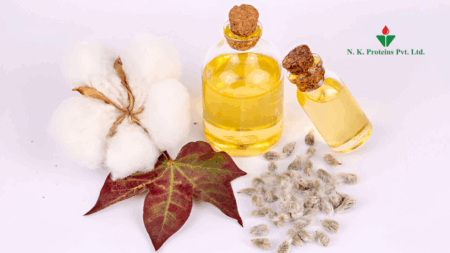
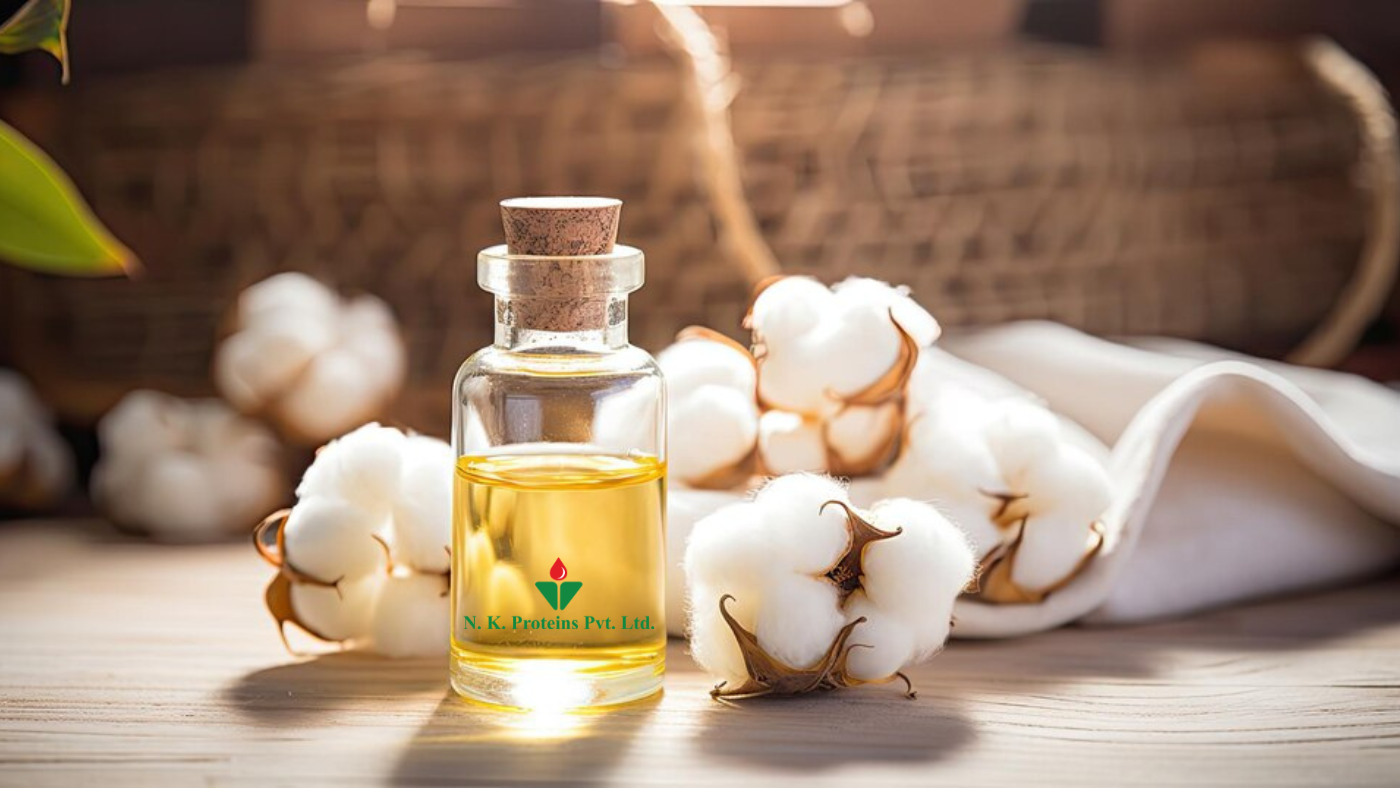
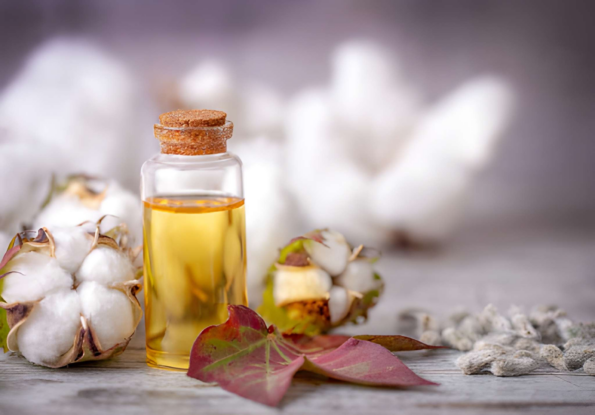
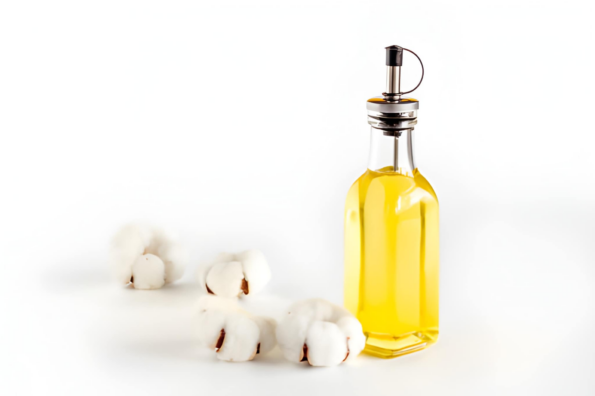
Cottonseed oil comes from the seeds of the cotton plant. Cotton grows for its fiber, but the seeds pack oil too. After ginning separates the fluff, mills process the seeds.
- Small, hard seeds hold 15-20% oil.
- Extraction uses pressing or solvents.
- Refining creates clear, neutral oil.
- Unrefined keeps nutrients but tastes nutty.
It’s great for cooking without strong flavors. Global production reaches millions of tons yearly, led by the US, China, and India. In the US, it’s a top vegetable oil.
A Brief History
Cottonseed oil has deep roots. Ancient Chinese and Indians used crude forms for lamps and medicine. The story picks up in the 1700s.
- 1768: Dr. William Otto made the first US batch for lamps.
- 1800s: Europe needed cheap fats; American mills delivered.
- Post-Civil War: Cotton boomed, seeds became valuable.
- 1899: David Wesson deodorized it, making it a kitchen staple.
- 1911: Procter & Gamble launched Crisco, a hydrogenated version.
World Wars spiked demand due to fat shortages. Today, it’s in snacks, soaps, and more. Tirupati Oils ensures quality in every bottle.
How It’s Made
Production starts at the farm. Cotton plants yield bolls with fiber and seeds. Here’s the process:
- Harvesting: Cotton bolls are picked.
- Ginning: Fibers separate from seeds.
- Delinting: Short fibers are removed.
- Hulling: Hard outer shells crack off.
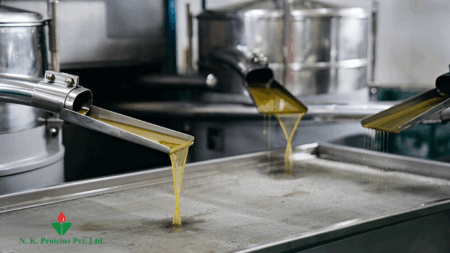
- Extraction: Kernels are pressed or treated with solvents like hexane.
- Refining: Degumming, neutralizing, bleaching, and deodorizing purify the oil.
Refining removes gossypol, a natural toxin. High-oleic varieties enhance health benefits. Byproducts like meal feed livestock, while hulls add roughage. Tirupati Oils prioritizes purity.
Nutritional Profile
One tablespoon of cottonseed oil has:
- 120 calories, all from fat.
- 26% saturated fat (palmitic, stearic acids).
- 19% monounsaturated fat (oleic acid).
- 54% polyunsaturated fat (linoleic acid, omega-6).
- 20% daily vitamin E needs.
- No cholesterol, high smoke point (450°F).
Compared to olive oil, it has more polyunsaturated fats but higher saturated fat than canola. Vitamin E adds antioxidant power.
Health Benefits
Cottonseed oil offers solid perks when used wisely. Here’s what research shows:
- Heart Health: Polyunsaturated fats lower LDL (bad cholesterol). A 2022 study in The Journal of Nutrition found an 8-week diet with cottonseed oil cut LDL by 12%, outperforming olive oil in some cases.
- Inflammation: Omega-6 linoleic acid supports immunity and brain function when balanced with omega-3s.
- Antioxidants: Vitamin E fights free radicals, reducing heart disease risk and aiding skin healing.
- Blood Sugar: Trials suggest it eases post-meal sugar spikes.
- Skin and Hair: Fatty acids hydrate skin, maintain elasticity. Vitamin E promotes scalp health, strengthens hair.
High smoke point makes it great for frying, forming fewer harmful compounds than lower-smoke oils.
Potential Risks
No oil is perfect. Cottonseed oil has drawbacks to consider:
- Omega-6 Overload: Western diets often have too much omega-6, which can cause inflammation if not balanced with omega-3s.
- Saturated Fat: At 26%, it’s higher than canola (7%). Overuse may raise heart risks.
- Gossypol: Unrefined oil contains this toxin, linked to infertility in animals. Refining removes it.
- Allergies: Rare, but 1-6% may react. Patch-test first.
- Processing: Chemical solvents like hexane leave minimal residues.
- Oxidation: Overheating can degrade fats, especially in reused oil.
Moderation keeps risks low. Stick to refined oil and limit portions.
Cottonseed Oil vs. Other Oils
How does it stack up? Let’s compare:
- Olive Oil: 73% monounsaturated, 10% polyunsaturated. Better for heart health, lower smoke point (375°F).
- Canola Oil: 7% saturated, neutral flavor. Similar smoke point but less omega-6.
- Soybean Oil: Close fat profile, less stable due to linolenic acid.
- Avocado Oil: 70% monounsaturated, 520°F smoke point. Pricier.
- Coconut Oil: 90% saturated, tropical flavor. Less versatile.
- Peanut Oil: Nutty taste, great for stir-fries. Cottonseed is milder.
Cottonseed oil shines for frying and baking due to stability and cost. Tirupati Oils refines it for consistent quality.
Cooking with Cottonseed Oil
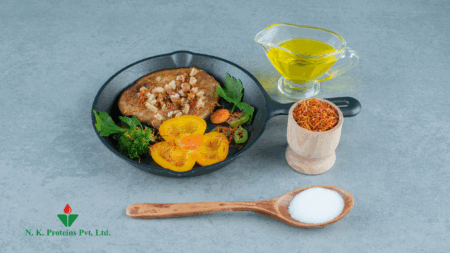
This oil is a kitchen workhorse. Its high smoke point suits:
- Frying: Crisps fries or chicken without burning.
- Baking: Tenderizes cakes, pies.
- Sautéing: Neutral taste highlights veggies.
- Dressings: Blends smoothly with vinegar, herbs.
Store in a cool, dark place for months of freshness. Filter after frying for reuse. It’s versatile and budget-friendly.
Beauty Uses
Cottonseed oil isn’t just for cooking. It doubles as a beauty aid:
- Skin: Vitamin E and fatty acids moisturize, soften lines, heal cuts.
- Hair: Conditions strands, reduces breakage, boosts scalp health.
- Soaps: Lathers well, cleans gently.
- Lip Balms: Adds natural shine.
Always patch-test for allergies. Mix with honey for a hydrating mask or use alone for massage.
Sustainability and Modern Production
Cottonseed oil is eco-friendly in some ways:
- Byproduct Use: Seeds come from fiber crops, reducing waste.
- High-Oleic Varieties: Need fewer pesticides, boost yields.
- Efficient Mills: Meal and hulls feed livestock or enrich soil.
Challenges remain:
- Water Use: Cotton farming demands heavy irrigation.
- GMOs: Common for higher output, though organic options grow.
- Chemicals: Refining uses solvents, but residues are minimal.
Tirupati Oils sources sustainably, focusing on quality and responsibility.
Final Thoughts
Cottonseed oil brings a lot to the table. It supports heart health, cooks at high heat, and hydrates skin. Risks like omega-6 imbalance or saturated fat are manageable with moderation. Compared to other oils, it’s affordable and versatile.
From its rich history to modern uses, it’s a practical choice. Pair it with a balanced diet for best results. Ready to try it? Explore its potential in the kitchen or beyond. Healthy, simple choices make a difference.