Why Groundnut Oil Supports Eco-Friendly Cooking
Cooking is something we do every day. It keeps us fed and happy. But did you know it can also affect the planet? The things we use in the kitchen, like cooking oil, can make a difference. One great choice is groundnut oil, also called peanut oil. It’s good for cooking and good for the Earth, too.
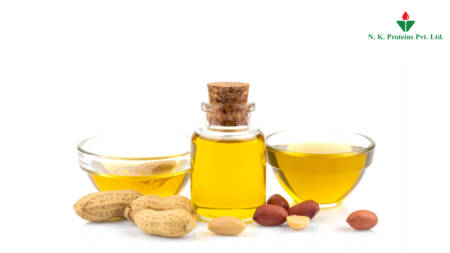
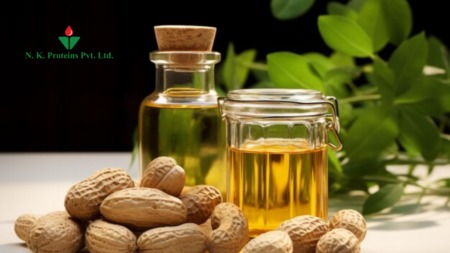
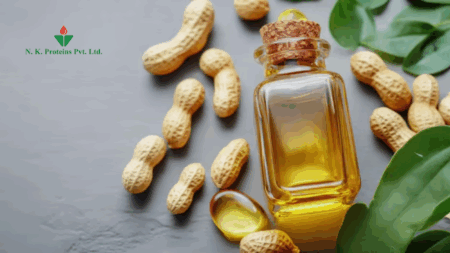
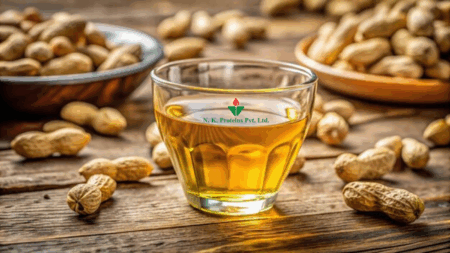
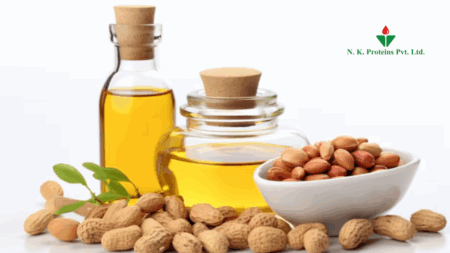
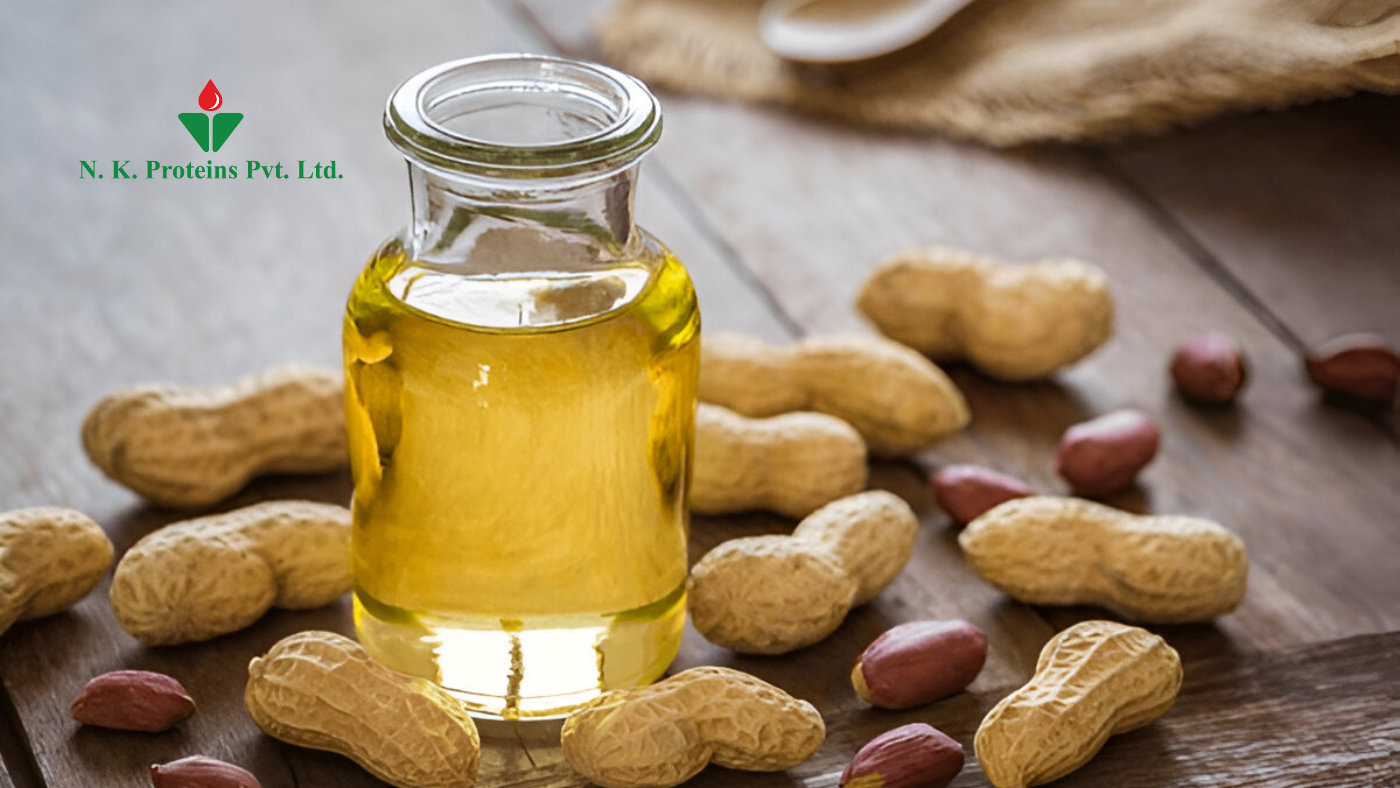
Groundnut oil comes from peanuts. Peanuts grow in many places, such as India, Africa, and America. People have used this oil for a long time because it tastes nice and works well in the kitchen. But there’s more to it. This oil helps the environment in many ways. Let’s look at why it’s a smart choice for eco-friendly cooking.
Sustainable Farming Practices
Peanuts are the key to groundnut oil. They grow in a way that’s kind to the Earth. Some crops need lots of water or chemicals to grow. Peanuts don’t. They can grow in tough soil and don’t need much water. This is great because it saves resources.
Peanuts also help the soil. They are legumes, which means they work with tiny bacteria in the ground. These bacteria take nitrogen from the air and put it into the soil. Nitrogen is like food for plants. This means farmers don’t need to use as many chemical fertilizers. Those fertilizers can harm rivers and lakes when they wash away. Peanuts keep the soil healthy naturally.
Many small farmers grow peanuts. They often use old-school methods. No big machines or harsh chemicals. Just hands, simple tools, and care. This keeps the air cleaner and the land safer. When you pick groundnut oil, you’re helping these farmers. You’re also supporting a way of farming that doesn’t hurt the planet.
Other oils, like palm oil, aren’t as nice to the Earth. Palm oil farms can cut down forests and harm animals. Peanut farms don’t do that. They’re a better choice for nature.
Low Carbon Footprint
Everything we eat leaves a mark on the planet. This mark is called a carbon footprint. It’s about the gases that come from making and moving food. Groundnut oil has a smaller carbon footprint than many other oils.
Peanuts grow all over the world. That means groundnut oil can be made close to where you live. When food doesn’t travel far, it uses less fuel. Less fuel means fewer gases in the air. This is a big win for the environment.
Making groundnut oil is simple too. Many companies use a method called cold-pressing. They squeeze the peanuts to get the oil out. No heat. No chemicals. This takes less energy than making other oils, like canola or sunflower oil. Those oils need lots of steps and machines to refine them. Groundnut oil keeps it easy and green.
For example, canola oil needs chemicals and heat to be ready. That uses more power and makes more waste. Cold-pressed groundnut oil skips all that. It’s cleaner and better for the planet.
Minimal Processing and Waste
How oil is made matters a lot. Groundnut oil is often cold-pressed. This means it’s made without extra heat or chemicals. It’s just peanuts being pressed until the oil comes out. This uses less energy. It also keeps the oil natural and healthy.
Other oils, like soybean or palm oil, need more work. They go through big processes with chemicals. Sometimes they use stuff like hexane, which comes from oil and gas. That’s not great for the Earth. It makes waste and uses more power. Groundnut oil avoids this mess.
What’s left after making groundnut oil is useful too. The peanut bits, called peanut meal, don’t go to waste. Farmers can feed it to animals. Or they can mix it into the soil to help plants grow. Almost nothing gets thrown away. That’s smart and sustainable.
Think about palm oil again. Its process can leave behind junk that’s hard to use. Groundnut oil turns leftovers into something helpful. It’s a small thing that makes a big difference.
Health Benefits
Eco-friendly cooking isn’t just about the planet. It’s about you, too. Groundnut oil is good for your health. When you’re healthy, you don’t need as much packaged food. That’s better for the Earth.
Groundnut oil has good fats. These are called monounsaturated and polyunsaturated fats. They help your heart stay strong. They can lower bad cholesterol and raise good cholesterol. This is better than oils with lots of saturated fats, like coconut oil.
It also has vitamin E. This vitamin fights off damage in your body. It keeps your skin and immune system happy. A little health boost in every meal.
Groundnut oil can handle heat, too. It has a high smoke point, around 450°F (232°C). That means you can fry, roast, or bake with it. Other oils might burn and make bad stuff at high heat. Groundnut oil stays safe and tasty.
Because it works for so many dishes, you don’t need lots of oils. One bottle does it all. Fewer bottles mean less trash. Plus, cooking at home with groundnut oil cuts down on takeout. Less takeout means less plastic and waste. It’s a win for your body and the planet.
Versatility in Cooking
Groundnut oil is super handy in the kitchen. It works for almost anything. Its high smoke point makes it great for frying. Its mild taste doesn’t cover up your food’s flavor.
In India, people use it to fry snacks like samosas. In China, it’s perfect for stir-fry. You can even bake with it. Cakes and cookies get a little nutty taste that’s so good. Or mix it with vinegar for a salad dressing. It’s light and simple.
Using one oil for everything is smart. You don’t need a shelf full of bottles. Less stuff means less waste. It saves money, too. Groundnut oil lasts a long time up to a year if you store it right. That means less spoilage and throwing things out.
How to Use Groundnut Oil in Eco-Friendly Cooking
Want to make the most of groundnut oil? Here are some tips:
- Reuse It: After frying, strain the oil and use it again. It saves oil and cuts waste.
- Buy Big: Get a bigger bottle. Less packaging is better for the Earth.
- Store It Right: Keep it cool and dark. It’ll last longer, so you don’t toss it out.
- Use It for Everything: Fry, bake, or drizzle. One oil, many jobs.
- Pick Local: If you can, buy from nearby makers. Less travel means less pollution.
These little steps add up. They make your cooking even greener.
Tips for Sustainable Cooking
Groundnut oil is a start. Here are more ways to cook green:
- Plan Ahead: Know what you’ll cook. It stops food from going bad.
- Compost Scraps: Veggie peels? Turn them into soil, not trash.
- Save Energy: Use efficient stoves or ovens. Less power is better.
- Cook Big: Make extra and freeze it. It saves time and energy.
- Skip Plastic: Use glass or cloth instead of plastic wrap.
Your kitchen can help the planet. It’s all about small choices.
Conclusion
Cooking can be good for you and the Earth. Groundnut oil makes it easy. It comes from sustainable farms. It has a low carbon footprint. It’s made with less waste. It’s healthy and works for all kinds of dishes. Every time you use it, you’re helping the planet a little.
At Tirupati Oils, we love bringing you this eco-friendly oil. Our groundnut oil is cold-pressed and pure. We team up with farmers who care about the Earth. Switch to Tirupati Oils and cook with a purpose. It’s a simple way to make a big change.