Why Groundnut Oil is a Favorite in Traditional Indian Cooking
Ever wondered what makes Indian food so flavorful and comforting? A big part of that magic comes from the oils used in the kitchen. Among them, groundnut oil stands out as a true favorite in traditional Indian cooking. It’s been a staple for generations, adding that perfect nutty touch to everyday meals and festive dishes alike. Let’s dive into why this oil holds such a special place in Indian homes.
What is Groundnut Oil, Anyway?
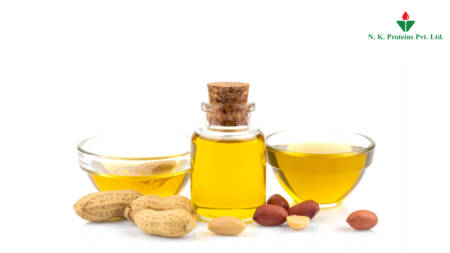
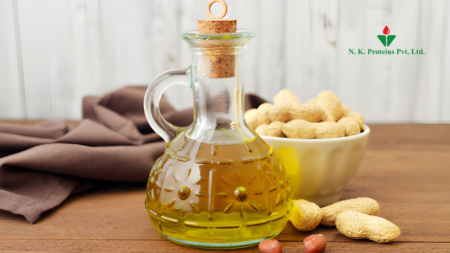
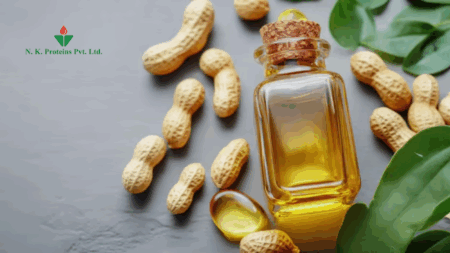
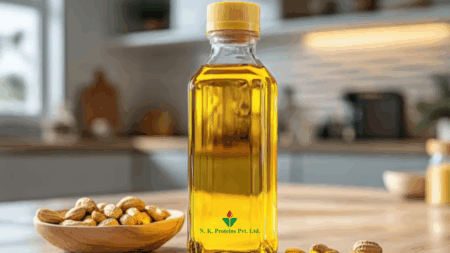
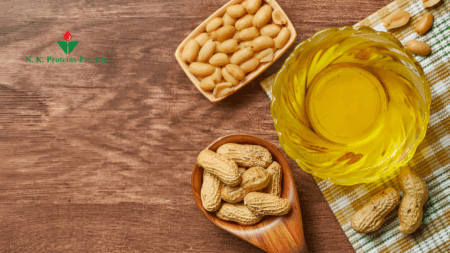
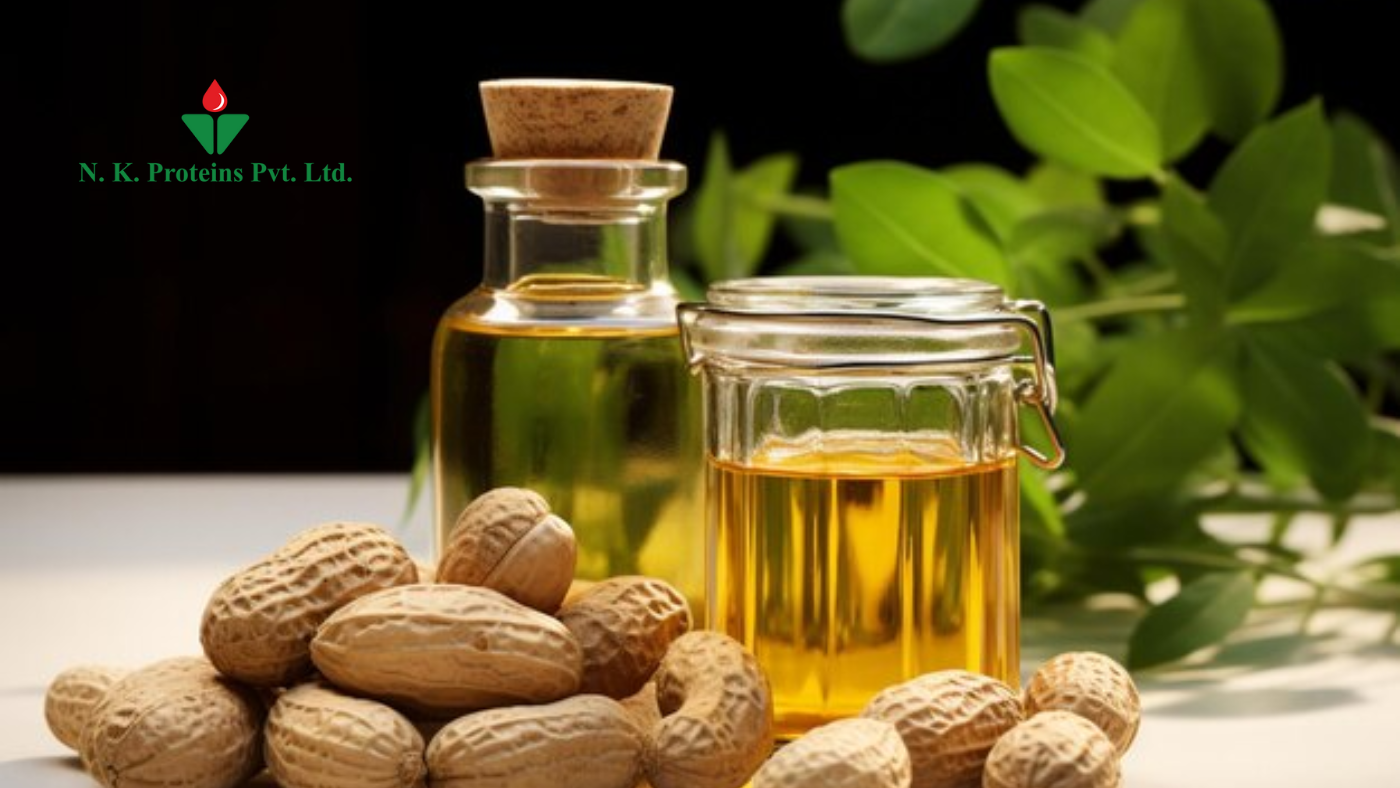
The oil is pressed from peanuts and hence called mungfali ka tel in many Indian homes. The final oil is indeed golden in color, with a very mild and nutty flavor- it is never a superstar. Rather, it is an unsung hero, the kind of oil that serves quietly in the background while the dish itself gets the limelight.
Be it frying samosas, garnishing an exotic tadka, or the super speedy stir-fry, this oil is prepared for it all. With its mild taste and eminent versatility, from simple everyday sabzis to extravagant sweets, everything suits it. This is why it graces innumerable recipes across the country.
A Peek into Its Indian Roots
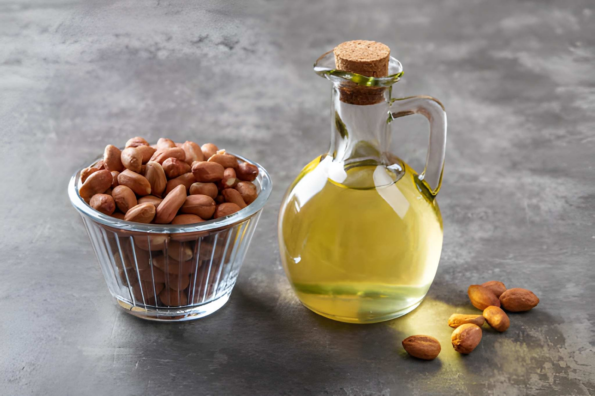
Peanuts are not native to India; they are originally a South American crop. Some traders, perhaps the Portuguese, must have sold peanuts in India many centuries ago, and Indian farmers took to them like ducks to water. By the 1800s, places like Gujarat, Andhra Pradesh, and Tamil Nadu were producing peanuts in large quantities; oil-making from peanuts soon became common practice.
This was more than a food stuff. Groundnut oil had mingled with culture during festivals like Pongal or Makar Sankranti, when peanuts and their oil find their way into sweets and snacks-from chikki to laddoos. They are beyond ingredients; they go into celebrations, rituals, and family memories.
Why Indian Cooks Swear by It
Cooking is about managing heat, like when cooking an Indian dish. Golden pakoras or dosas sizzling away on a hot pan are all about manifesting the heat, and the oil used does matter. Groundnut oil can tolerate the heat and then some. The refined variety of groundnut oil has a smoke point of about 230°C; this means when the pan is on full heat, the oil will remain stable and steady throughout the cooking. The oil would never break down; instead, it would carry with it all the good flavors without that burnt-aftertaste.
Groundnut oil, in fact, has plenty of flavors that people love-the light nuttiness blends well with spices such as cumin, mustard, or curry leaves. Groundnut oil isn’t anything overwhelming, as its subtle flavor can keep those bright notes alive in any dish or griddle-fried snack. Finally, it goes well with your pocket and easy to buy, meaning that almost every household can boast a bottle or two in close proximity.
Whether it is your grandmother’s aloo paratha or vada pav from your favorite food vendor, groundnut oil must be trusted for a good reason-it just works well and tastes nice! It is an ingredient like that-one you want to have on hand and
Health Benefits That Add to Its Charm
In selecting an oil, health often becomes the major point of concern-and groundnut oil stands up. Almost 50 percent of it is made up of monounsaturated fats, which positively contribute to heart health. Monounsaturated fats lower LDL cholesterol and support HDL cholesterol; that’s great for anyone watching his/her health in a spice-laden cuisine.
It also has vitamin E. Vitamin E is a natural antioxidant, an excellent product for skin hydrating, a natural anti-inflammatory, and good for immune function. Some studies also suggest that vitamin E may help enable blood sugar control, which would definitely be helpful to those trying to find time for diabetes along with their love for biryani or kheer.
Being enriched with omega-6 fatty acids, groundnut oil really does bring along great benefits toward brain health. In case you find one, a cold-pressed oil from groundnut with much more of these nutrients compensated by refined oils. Groundnut oil tastes better than many other oils, aiding digestion after a heavy meal.
All things considered, moderation in use of any oil will be helpful to keep one’s calorie count on the balance.
A Star in Regional Dishes
India’s cuisine is as multicoloured as its population, and groundnut oil blends into it perfectly. In Gujarat, it’s the preferred oil for cracker-like fafda and rich undhiyu. The flavour of the oil goes with the sweet-spicy flavours of these preparations.
Go to South India, and it’s ubiquitous in Andhra and Tamil Nadu cuisine. From peanut chutneys with a tang to chicken curries that are hot, the oil is equal to the task. It’s even applied to temple prasadams, such as peanut sundal, for a nutty, homey flavor.
In Maharashtra, it’s essential for sabudana khichdi, the fasting dish. Central India employs it for plain dals and bhajis. Why does it succeed? It pairs with strong spices and flavors, making dishes reminiscent of home.
Everyday Cooking with Groundnut Oil
Picture an Indian kitchen in the morning. Splash some groundnut oil into the pan, and soon the onions begin to sizzle for poha. A few peanuts for a bit of crunch are all that are needed for breakfast.
For lunch, lend tempered lentils with mustard seeds and curry leaves in the oil. Licking the floor is brought on by just the aroma alone. Come tea-time, and you are frying some bhajiyas-crisp and crunchy, thanks to the high heat tolerance of the oil.
Dinner is likely to be a vegetable stir fry or a rich curry. The oil caramelizes just enough to seal in the flavors. Even the pickles owe it to groundnut oil to maintain the zing, whether it’s mango or chili achar.
Very unglamorous but essential. Such is the beauty of groundnut oil in daily cooking.
Classic Recipes That Shine with It
Some dishes just wouldn’t be the same without groundnut oil. Take Gujarati thepla. Knead dough with methi leaves, spices, and a touch of oil. Cook them on a tawa with a drizzle of groundnut oil for soft, flavorful flatbreads that last for days.
In South India, peanut sundal is a festival must-have. Boil chickpeas, toss in a tadka of mustard seeds and dried chilies in groundnut oil, and sprinkle with coconut. It’s simple, healthy, and packed with flavor.
For a Maharashtrian classic, try sabudana khichdi. Soak tapioca pearls, sauté with peanuts and potatoes in groundnut oil, and season with cumin. It’s light yet satisfying, perfect for fasting or snacking.
And don’t miss Andhra’s gongura pachadi. Blend sorrel leaves with spices, then temper in hot groundnut oil. Spoon it over rice for a meal that sings with flavor.
These recipes show how groundnut oil keeps traditions alive, one dish at a time.
The Appeal of Cold-Pressed Groundnut Oil
Cold-pressed groundnut oil is pretty special. It is a method wherein peanuts are pressed under slight heat so as not to lose their principle flavors or nutrients. This technique, usually applying wooden presses, seems a tribute to antique styles.
This unrefined oil tastes richer and is more nutritious than its edible counterpart. It is recommended for liberal drizzling on salads or low-heat preparations. Brands such as Tirupati Oils give prime importance to the traditional method as the basis of their authentic-quality taste.
Objects hold an additional layer of love when the oil used is cold-pressed-from-the-ground-to-the-dish, the most caring form of oil.
How It Stacks Up Against Other Oils
Every oil has its fans, but groundnut oil holds its own. Mustard oil, popular in the North, has a sharp bite that’s great for fish curries but can be too strong for milder dishes. Groundnut oil’s softer flavor works everywhere.
Sesame oil, used in South Indian recipes, adds a toasty note but can’t handle high heat as well. Coconut oil is a coastal favorite, but its sweetness doesn’t suit every dish. Groundnut oil strikes a balance—versatile, stable, and flavorful.
Mixing oils can be smart for variety, but groundnut oil’s all-around appeal makes it a kitchen hero.
Tips for Getting It Right
Keep the oil cool and away from light so that it may remain fresh. When frying with it, keep the heat low to avoid smoking, and if you are planning on reusing it, be sure to strain it after cooling to rid it of any bits of food.
For tempering, the oil should be heated first; then add the spices to develop their complete aroma. With salads and chutneys, a little drizzle of fresh oil goes a long way! But rather do not overdo it-the oil tastes best when it is just a drizzle.
Try different dishes to see where it fits best-the oil really is an overachiever and most accommodating.
Why Groundnut Oil Stays Loved
More than just cooking, groundnut oil brings about a connection. It carries with it the warmth of old family recipes, the happy memories of feast days, and the comfort of everyday fulfillment. For its health benefits and flexibility, plus having a rich history that aids the making of an ideal Indian kitchen, it is favored. A perfect opportunity to bring that tradition home through quality choices like Tirupati Oils. Recall the next time, when you put the pan on, let groundnut oil do the magic.